
Let's Talk About Lighting
The rules devised by Richard Kelly
(considered one of the pioneers of architectural lighting design) are still in
use today, and illumination is a crucial aspect of every remodel. When planning
a bathroom or kitchen remodel, don't overlook the value of well-thought-out
lighting design. To begin, familiarize yourself with fundamental lighting
knowledge so that you know what questions to ask your contractor before any
work on your home begins.
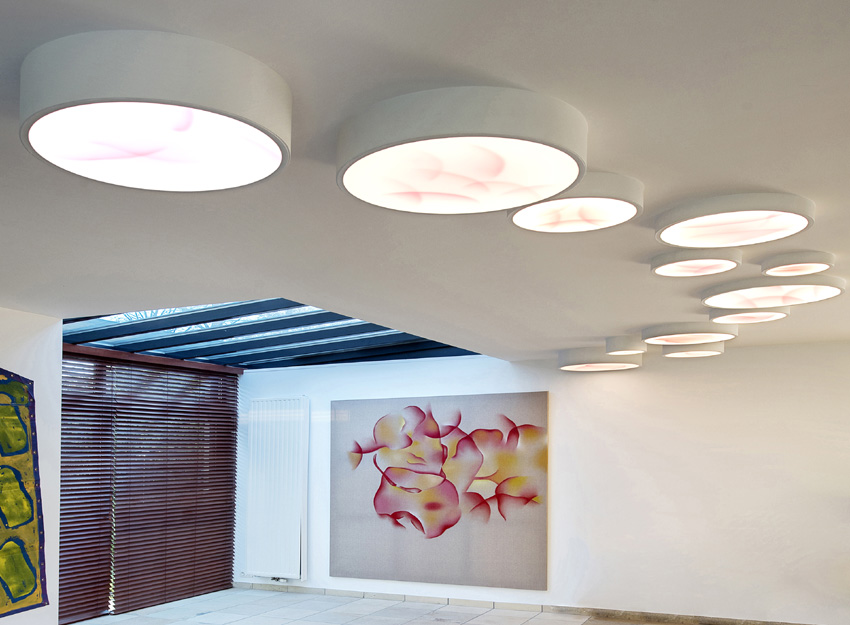
In kitchens and bathrooms, three
types of electrical lighting are widely utilized. Lighting is classified into
three types: incandescent, fluorescent, and LED. LED lights have become the
most common electrical lighting source in remodeling, but they must be utilized
in conjunction with specific dimmer switches to function effectively. LEDs are
quite popular because of their low wattage consumption, long life, and lack of
heat generation.
After you've decided on the optimum
electrical light for your home, you should think about how it's measured. There
are three ways to quantify light: flow, strength, and quantity. All three of
these requirements must be considered while building a successful design. Here
are some questions to think about at this stage in the planning process. What
will I do with the space I'm remodeling? What items or things will I need to
illuminate? Is it better to have flood lighting or spot lighting? Is the
atmosphere in my space important? Is my lighting design influenced by the
decor? Finally, one's age must be considered. People over the age of fifty-five
see half as much light as those under the age of twenty-five, hence more light
should be added to compensate.
To add light to a kitchen or
bathroom, there are six different types of fixtures that can be employed.
Recessed, ceiling or surface mount, semi-surface mount, suspended fixtures,
wall mount, and portable are the various types. A well-thought-out design will
frequently feature multiple different fixtures, each with its specific
function. Task, ambient, accent, wall, and decorative lighting are examples of
these functions. Recessed can lighting combined with under cabinet lighting
will provide task lighting as well as ambient lighting in a kitchen. Pendants
hung above an island are frequently utilized as decorative lighting. Wall
sconces are frequently used as decorative lighting in bathrooms, while surface
mount lighting is employed as ambient lighting.

With so many fixtures and lighting
functions to choose from, it's easy to overlook the free source of light
(natural), despite the fact that it's critical in space design. Natural light,
sometimes known as sunlight, has a variety of advantages. Sunlight is a free,
renewable resource that saves energy, provides a natural source of light,
enhances mood, productivity, and health, and has the ability to warm a place.
When designing a lighting strategy, try to incorporate as much natural light as
feasible. Windows and skylights are the two most frequent ways to incorporate
light into a design. Consider employing reflective coatings and reflecting
surfaces to increase the amount of light coming from these sources. If your
area already includes a window or skylight, try to incorporate this natural
light source into your design.
There are numerous approaches to
developing an illumination plan; therefore, having a clear understanding of the
space's aims and demands is critical to have the correct lighting for the
project.