
The Most Common Home Renovation Mistakes
The right home upgrades can boost your property's market
value. House remodeling, on the other hand, might be costly. How do you know
which modifications will increase the value of your property when you sell it?
To uncover the answer to this question, I solicited the expertise of seasoned
realtors and constructors.
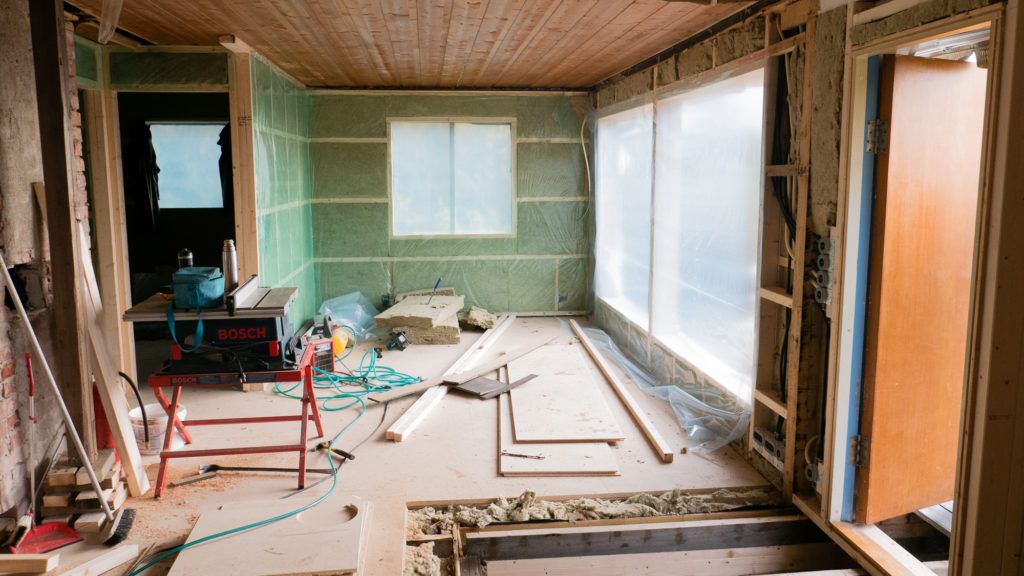
"Cost overruns are common," one contractor said. "Regardless of how well we budget, we always find something that complicates the job or the homeowner changes their mind about anything. Surprises abound, just like they do when designing a custom home."
"Are you advising a homeowner who wants to renovate to
plan ahead?" I enquired further.
"Exactly. Do your homework before you come in. Many
people get excited about pulling down a wall to open things up, only to find
out that the replacement building is too expensive."
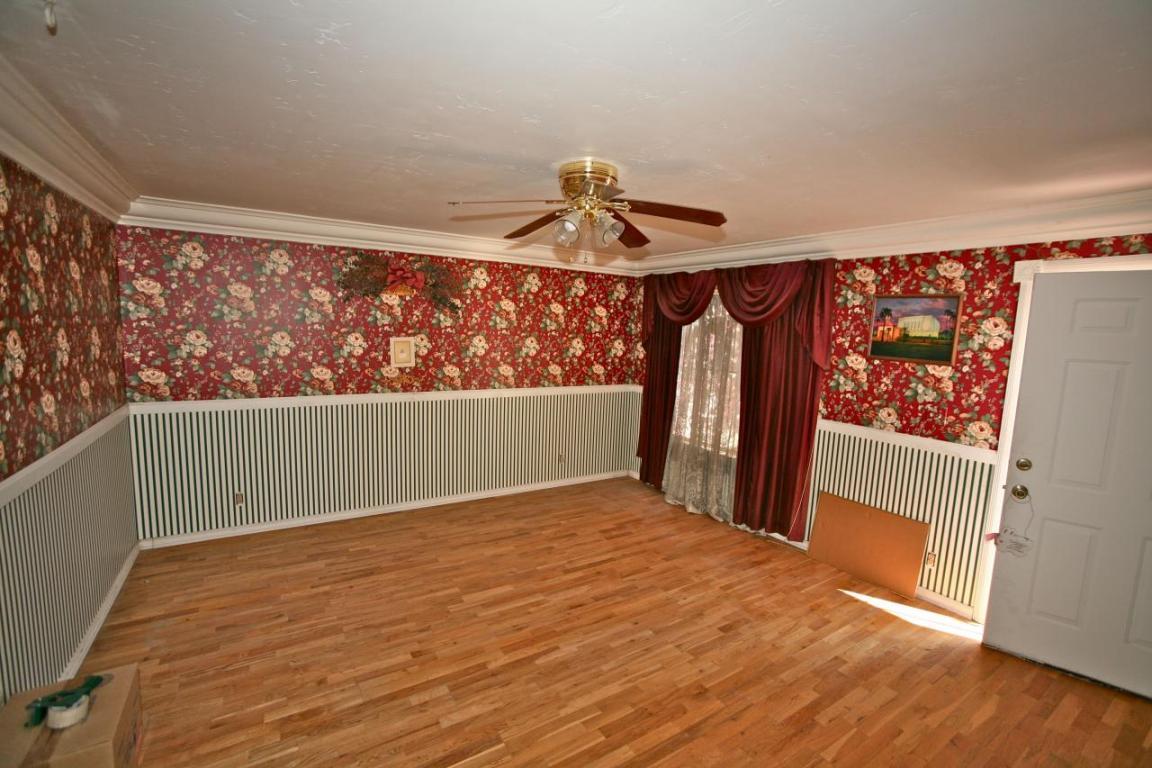
According to one real estate agent, "Homeowners should
think twice before installing new wallpaper. Wallpaper lasts about three months
before it starts to appear antiquated. When I see flower wallpaper on a
walkthrough, I almost always hear prospective buyers say, 'Uh, we'll have to
peel off that thing.' It's a stumbling block."
Another example is when a homeowner removes a bedroom next
door to extend a master bedroom by eliminating a wall. "Although the
master suite is lovely, you now have a two-bedroom home to sell instead of a
three-bedroom home. Even if you have three baths, trust me when I say that this
will lower the value of your home "The real estate agent went on to
explain more.
According to another contractor, "Converting a two-car
garage into a family room is an example of a renovation job that will cost more
than you expect and add little value to your home when it comes time to sell.
Most code inspectors will not allow you to use the new room as a bedroom if it
is in a garage with no windows. Garages are also widely used."
As a home inspector, one of the most common mistakes I
witnessed was homeowners who decided to do their own renovation work. I'm not
suggesting that qualified people shouldn't pitch in and help with some or all
of the work, but first and foremost, make sure you're qualified. People aren't
always aware of their own ignorance. Home buyers may be put off by DIY
renovations because they are visible and uninviting.
A bathroom in a home where the homeowner installed all of the
fixtures himself is one example. The wrong plumbing traps, fittings, and
couplings were utilized, the hot water line was mistakenly rerouted to the
toilet, and three faucets were slowly leaking. The purchasers liked the house,
but the $1500 cost of bringing the "upscale" bathroom up to code
drove them off.
"People have spent a lot of money on a very nice and
stylish kitchen. They had a terrific time, but when it came time to sell, only
around 20% of their money was returned. This was because the house was not in
that price range or in a neighborhood with comparable homes with similar
upgrades. So, unless they plan to stay in the house, advise your readers to do
their homework before investing a large sum of money in the kitchen."
The lesson here is to do your studies and plan ahead of time
if you want to renovate. Before you start, figure out what your return on
investment will be (the internet, contractors, and realtors may all help), and
get at least three proposals.